Find a Location Near You →


How Dental Sealants Help Prevent Cavities in Kids

Every parent wants their child to have a healthy, cavity-free smile. You make sure they brush twice a day, limit sugary snacks, and come in for regular checkups. But even with all of that, kids are still one of the highest-risk groups for developing cavities — especially on the back teeth.
Here’s the good news: there’s a simple, quick, and painless solution that adds a powerful extra layer of protection. At The Smile Lodge, we recommend dental sealants as one of the most effective preventive tools available to keep kids’ molars cavity-free during their most cavity-prone years.
Here’s everything parents in Saratoga and East Rensselaer County need to know.
Why Are Kids So Prone to Cavities?
Before diving into sealants, it’s worth understanding why children are especially vulnerable to tooth decay.
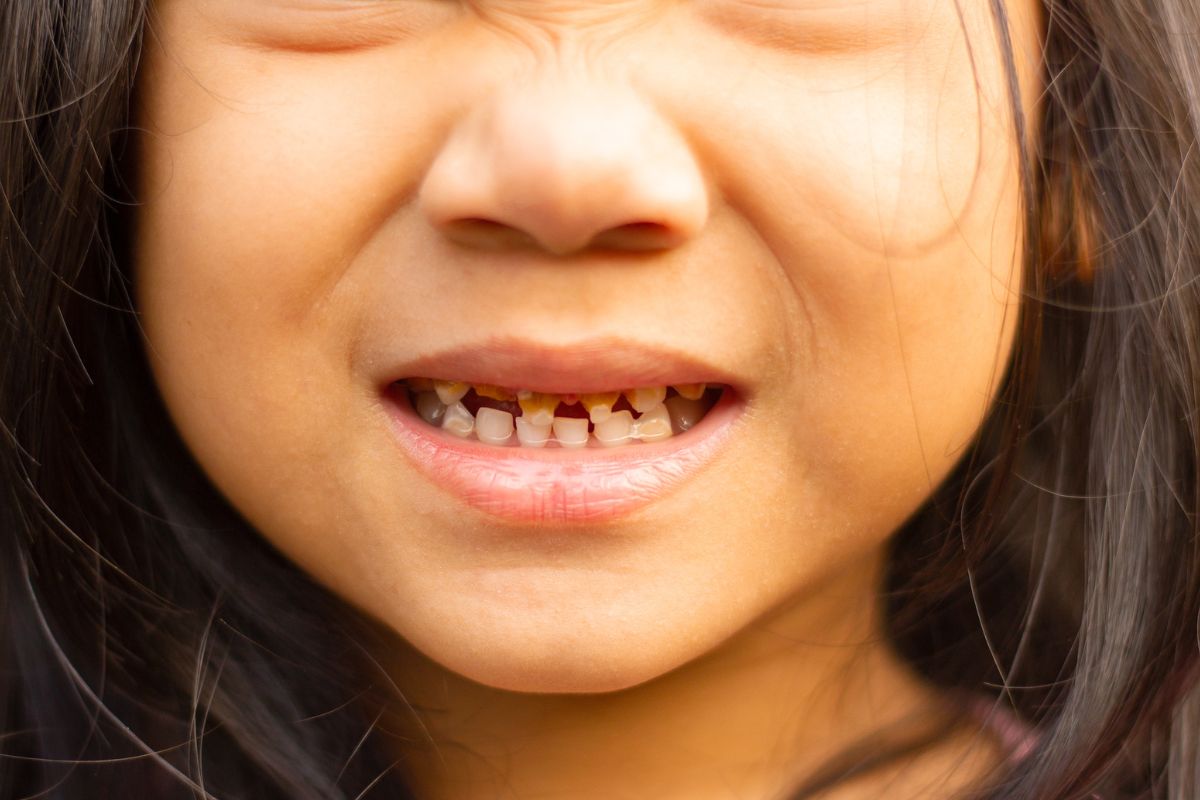
When bacteria in the mouth come into contact with sugary or starchy foods left on the teeth, they produce acids. Those acids attack the outer layer of the tooth the enamel and over time, they eat through it, creating the tiny holes we call cavities. This process affects everyone, but children face some extra challenges:
- Baby teeth and newly erupted permanent teeth have thinner enamel than fully mature adult teeth, making them easier to penetrate.
- Children tend to eat more sugary and carbohydrate-rich foods, which fuel the bacteria that cause decay.
- Brushing habits are still being developed. Even a child who brushes regularly may not be reaching every surface effectively.
- The back teeth (molars) are especially hard to clean. The chewing surfaces of molars are covered in tiny grooves, pits, and fissures — and some of those grooves can be narrower than a single toothbrush bristle. Food and bacteria get trapped there, and no amount of brushing can fully dislodge them.
This is exactly where dental sealants come in.
What Are Dental Sealants?
Dental sealants are thin plastic resin coatings that are applied directly to the chewing surfaces of the back teeth primarily the molars and premolars. As noted on The Smile Lodge website, sealants give your child’s teeth extra protection against decay and help prevent cavities.
The material flows into and bonds with the deep grooves and fissures on the tooth’s surface, hardening to create a smooth, protective shield. Once sealed, those tiny crevices where bacteria used to hide become a much less welcoming environment — food can’t settle in, plaque can’t build up, and acids can’t attack.
Think of a dental sealant as a raincoat for your child’s molars. It doesn’t replace brushing and flossing, but it provides a tough, physical barrier that makes those hard-to-clean surfaces significantly more decay-resistant.
How Effective Are Dental Sealants?
The evidence for dental sealants is compelling. According to the Centers for Disease Control and Prevention (CDC), sealants can protect the chewing surfaces of molars from approximately 80% of cavities in the first two years after application. The CDC also reports that school-age children without sealants have nearly three times more first molar cavities than children who have them.
According to the American Academy of Pediatric Dentistry, 80% to 90% of cavities in adolescents occur on the chewing surfaces of permanent teeth — the exact surfaces that sealants are designed to protect.
With proper care, dental sealants can last up to 10 years, with your child’s dentist monitoring them at each regular visit and recommending touch-ups if needed.
What Does the Sealant Application Process Look Like?
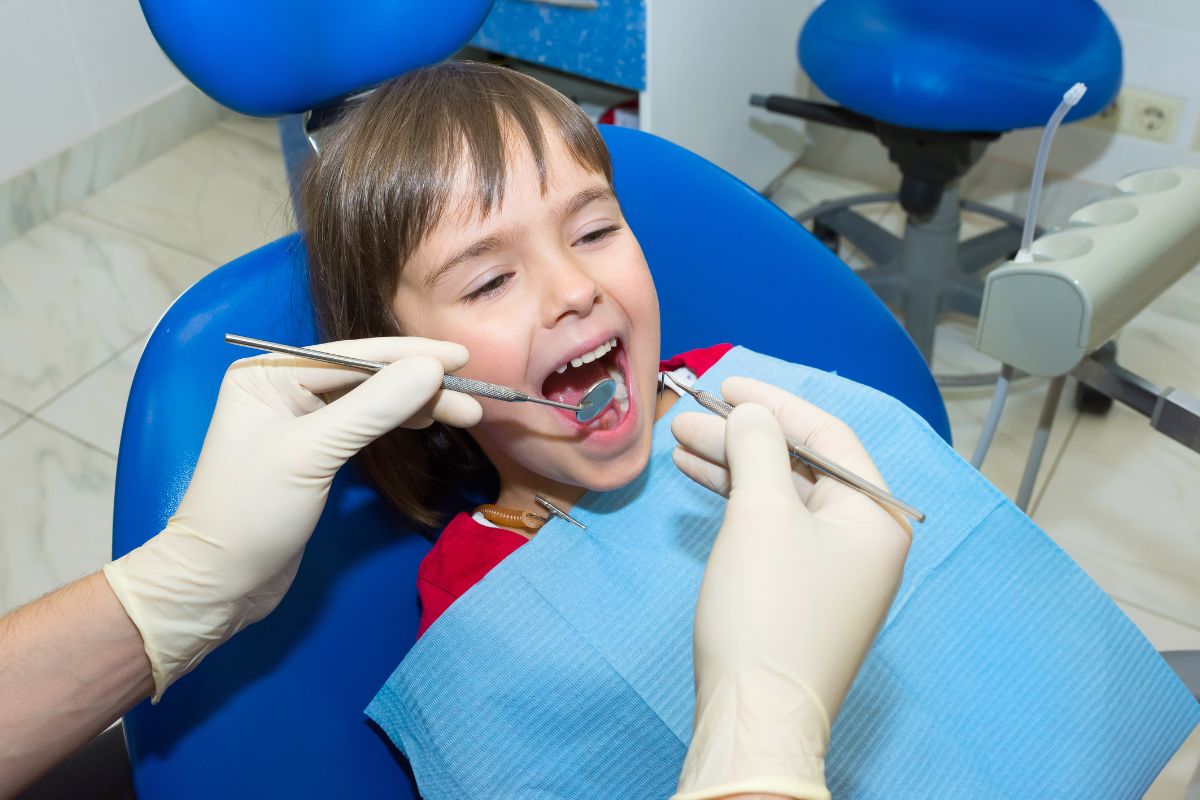
One of the best things about dental sealants is how simple the process is. There are no needles, no drilling, and no discomfort. The entire procedure can be completed during a regular dental visit and takes just minutes per tooth. Here’s what to expect:
Step 1 — Cleaning: The teeth to be sealed are thoroughly cleaned and dried.
Step 2 — Preparation: A mild acidic solution is applied briefly to the chewing surface of each tooth. This gently roughens the surface so the sealant material can bond more effectively. It is then rinsed off and the tooth is dried again.
Step 3 — Application: The liquid sealant is carefully painted onto the tooth surface, flowing into all the grooves and pits.
Step 4 — Hardening: A special curing light is used to harden the sealant within seconds, bonding it firmly to the tooth.
That’s it. Your child can eat and drink normally afterward. No recovery time, no restrictions, no fuss.
When Should Kids Get Dental Sealants?
The timing of sealants is important — the goal is to protect the teeth as soon as they erupt, before any decay has a chance to begin.
The CDC recommends that children get dental sealants after their permanent molars erupt. Here’s the general timeline:
- Around age 6: The first permanent molars come in behind the last baby teeth. This is an ideal time to apply sealants to these newly erupted back teeth.
- Around age 12: The second permanent molars erupt. Sealants can be applied to these teeth as well, extending protection through the teenage years.
In some cases, pediatric dentists may also recommend sealants for baby molars — particularly if they have especially deep grooves — since keeping primary teeth healthy is important for spacing and development.
We recommend sealants as “a safe, simple way to help your child avoid cavities, especially for molars, which are hardest to reach.”
Are Dental Sealants Safe?
Yes. Dental sealants have been used in pediatric dentistry for decades and are endorsed by both the American Dental Association (ADA) and the American Academy of Pediatric Dentistry (AAPD) as a safe and effective preventive measure.
Some parents have asked about BPA (bisphenol-A), a chemical found in trace amounts in some dental resin materials. However, both the ADA and AAPD have reviewed the research and reaffirmed their support for sealants. The trace exposure from a sealant application is negligible — far less than what is found in many common packaged foods and beverages. If you have specific concerns about materials, our team is always happy to address them and help you make the most informed decision for your child.
Sealants vs. Fluoride: Do You Need Both?
It’s a fair question — and the short answer is yes, they work best together.
Fluoride and dental sealants protect teeth in different ways and on different surfaces. As The Smile Lodge explains, fluoride “is effective in preventing cavities and tooth decay by coating teeth and preventing plaque from building up,” and it can also strengthen tooth enamel by making it more resistant to acid. Fluoride treatments are especially effective on the smooth surfaces of teeth and work systemically to harden enamel as it develops.
Sealants, on the other hand, target the pitted and grooved chewing surfaces of back teeth — the exact areas where fluoride alone has the hardest time reaching consistently. Combining fluoride treatments with dental sealants creates a comprehensive, layered defense against tooth decay.
Both fluoride treatments and dental sealants are part of our preventive dentistry services, giving your child the most complete protection possible.
Caring for Sealed Teeth
Dental sealants are durable, but they do require some basic care to stay effective:
- Keep up with brushing and flossing. Sealants protect the chewing surfaces, but the sides of teeth and the gumline still need daily attention.
- Avoid hard and sticky foods on the back teeth. Things like hard candies, ice, and very sticky snacks can chip or dislodge a sealant over time.
- Keep up with regular dental checkups. At every six-month visit, your child’s dentist will check the sealants for wear and repair or reapply them as needed.
With good at-home care and routine dental visits, sealants can protect your child’s teeth for many years — right through the most cavity-prone period of childhood and into the teen years.
Sealants Are Part of a Bigger Picture
Dental sealants are one piece of a larger approach to preventive pediatric dentistry. Our comprehensive preventive care services include:
- Routine Cleanings and Exams — Regular checkups keep teeth in optimal condition and catch any concerns early.
- Dental Sealants — A protective coating that seals vulnerable tooth surfaces against decay.
- Fluoride Treatments — A protective application that strengthens enamel and shields against cavity formation.
- Nutrition Guidance — Expert advice on how diet affects oral health and how to support healthy teeth through what your child eats.
- Oral Hygiene Education — Teaching kids and parents the right techniques for brushing and flossing at home.
We believe that great dental care doesn’t start with fixing problems — it starts with preventing them. That’s why we focus on building lifelong healthy habits and giving every child the strongest possible foundation for their smile.
Frequently Asked Questions About Dental Sealants
Do sealants hurt?
Not at all. The process is completely painless and requires no anesthesia. Most kids barely notice anything is happening.
Can sealants be placed over a cavity?
In some cases, yes. The American Dental Association notes that sealants can be placed over early-stage cavities to help stop the decay process, since the sealant cuts off the bacteria’s food supply. Your dentist will assess each tooth individually.
How long do sealants last?
With proper care, dental sealants can last up to 10 years. They are checked at every regular dental visit, and your dentist will recommend repairs or reapplication as needed.
Are sealants just for kids?
While children are the primary candidates, teens and even adults who are at higher risk for cavities and don’t have fillings in their back teeth can also benefit from sealants.
Will my insurance cover sealants?
Many dental insurance plans cover sealants for children. The Smile Lodge accepts a wide range of insurance plans, including Medicaid, Delta Dental, Aetna, Cigna, and more. Our team is happy to help you understand your coverage.
Protect Your Child’s Smile at The Smile Lodge
Cavities are common — but they’re also largely preventable. Dental sealants are one of the simplest, most cost-effective investments you can make in your child’s long-term oral health. A few minutes in the dental chair today can mean years of protection for those hard-to-reach back teeth.
The Smile Lodge proudly serves infants, children, and teens throughout Saratoga and East Rensselaer County from two convenient locations:
- ???? Clifton Park, NY — 713 Pierce Rd, Clifton Park, NY 12065
- ???? East Greenbush, NY — 4 Springhurst Dr, East Greenbush, NY 12061