Find a Location Near You →


What White Spots on Children’s Teeth May Be Telling You
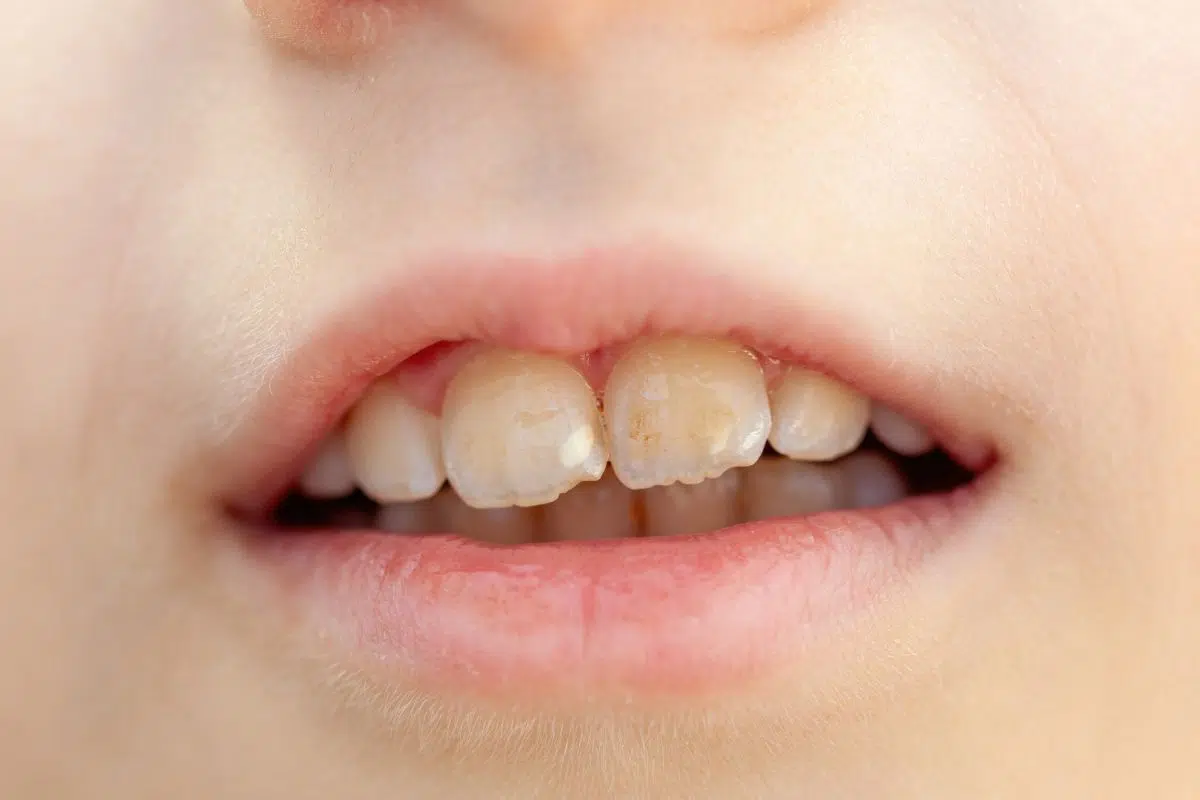
White spots on a child’s teeth are not always harmless. In many cases, they are one of the earliest visible signs that the enamel is under stress, losing minerals, or developing a cavity before a hole appears. Identifying the cause early can help prevent more extensive dental problems and preserve healthy tooth structure.
Many parents first notice white patches while helping with brushing, looking through family photos, or after a routine dental cleaning. Because these spots often do not cause pain, they can be easy to dismiss. However, the story behind a white spot can vary widely, from mild enamel changes to active tooth decay.
At The Smile Lodge, our pediatric dental team regularly evaluates enamel changes in children of all ages. Under the guidance of Dr. Jonathan Richter, we help families understand what these early signs may mean and how to protect developing smiles. If you have noticed white spots on your child’s teeth, schedule a pediatric dental evaluation with The Smile Lodge to identify the cause before it progresses.
What Are White Spots on Children’s Teeth, Exactly?
White spots on children’s teeth are visible patches of discoloration or opacity on the enamel surface that differ from the surrounding tooth structure. They typically signal one of five underlying conditions: early-stage tooth decay, dental fluorosis, enamel hypoplasia, white spot lesions from plaque buildup, or post-orthodontic demineralization.
Understanding which type your child has is critical because each condition requires a completely different clinical response.
Most Common Causes Explained Clinically
Here are some of the significant reasons for white spots on your little one’s teeth:
Early-Stage Tooth Decay (Demineralization)
This is the cause most parents don’t immediately connect to white spots, and it’s the most important one to identify early. When bacteria that produce acid in the mouth start removing minerals from the enamel, the area becomes less dense and appears chalky white. This is called a white spot lesion (WSL).
The crucial clinical fact is that, at this stage, the damage is still reversible. The enamel has not yet broken down into a cavity. With proper fluoride application, improved oral hygiene, and dietary adjustments, the mineral loss can be halted or reversed, something that’s no longer possible once the decay progresses into a physical hole.
Key takeaway: A white spot on your child’s tooth is often pre-cavity decay. Catching it at this stage is the difference between a non-invasive intervention and a filling.
Dental Fluorosis
Dental fluorosis is caused by excessive fluoride intake during tooth development, typically between birth and age 8, when permanent teeth are still forming beneath the gum line. The result is a disruption in enamel mineralization that appears as faint white streaks, chalky patches, or, in more severe cases, brown staining and surface pitting.
Critically, fluorosis affects teeth before they erupt, meaning the damage has already occurred by the time you see the spots. Common sources of excess fluoride include swallowing fluoride toothpaste, fluoridated tap water combined with fluoride supplements, and certain infant formulas mixed with tap water.
Mild fluorosis is primarily cosmetic and does not compromise the structural integrity of the tooth. In fact, mildly fluorosed enamel is slightly more resistant to cavities. Moderate to severe fluorosis, however, can create surface irregularities that trap plaque and require professional management.
What parents often miss: The white spots of fluorosis are usually symmetrically distributed across multiple teeth, not isolated to one spot. If you see the same faint banding pattern on several teeth, fluorosis is a strong clinical possibility.
Enamel Hypoplasia
Enamel hypoplasia is a developmental defect where the enamel doesn’t form to its full thickness during tooth development. The result is a structurally compromised enamel surface that may appear as white, yellow, or brown spots, and, in more advanced cases, grooves, pits, or rough patches on the tooth surface.
The triggers are diverse and worth knowing:
- Premature birth or low birth weight
- High fever during infancy or early childhood
- Maternal nutritional deficiencies
- Trauma to a baby tooth
Enamel hypoplasia is non-progressive; it won’t worsen over time on its own, but the thinned enamel is significantly more vulnerable to acid erosion and decay. These children require closer monitoring and preventive care.
Plaque-Induced White Spot Lesions
This type is entirely preventable and entirely common. When plaque accumulates along the gum line or between teeth for an extended period, the organic acids produced by oral bacteria begin demineralizing the enamel directly beneath it. The result is a dull, chalky white band, often visible just above the gumline on the front teeth.
This is especially prevalent in children who:
- Frequently snack on sugary or starchy foods
- Have inconsistent brushing habits
- Sleep holding a bottle or sippy cup filled with milk or juice
- Have orthodontic brackets, which create additional plaque traps
The clinical urgency: These lesions are active. If the plaque source isn’t eliminated and remineralization therapy isn’t initiated, they will progress into cavities within months.
Post-Orthodontic White Spots
If your child has had or currently has braces, white spots appearing around the bracket zones are a serious orthodontic concern. During treatment, the area immediately surrounding each bracket is extremely difficult to clean. Acid buildup in these zones accelerates enamel demineralization, and the white spots that emerge after brackets are removed can become permanent if not treated promptly.
This is why meticulous oral hygiene and regular professional cleanings throughout orthodontic treatment aren’t optional; they’re non-negotiable.
Why Early Evaluation Matters
White spots often provide an early warning before symptoms appear. Prompt evaluation enables prevention over repair.
Many dental conditions become more complex after visible cavities form. By contrast, early intervention may help preserve healthy tooth structure and reduce the likelihood of more extensive treatment later.
Parents sometimes assume that baby teeth are temporary and therefore less important. However, healthy primary teeth support speech development, nutrition, jaw growth, and proper eruption of permanent teeth. Any enamel abnormality deserves attention.
When a child develops white spots, the goal is not simply identifying discoloration. The goal is to understand what the enamel reveals about current oral health and future risk of cavities.
What Can Parents Do at Home?
Good daily habits are the first line of defense against enamel damage. Consistency matters more than occasional intensive cleaning efforts.
Parents can help by:
- Supervising brushing twice daily
- Using fluoride toothpaste as recommended
- Limiting sugary snacks between meals
- Encouraging water consumption
- Scheduling regular dental examinations
- Replacing toothbrushes regularly
- Monitoring newly erupting permanent teeth
Many white spot lesions begin silently. Careful observation allows parents to catch changes before they become more difficult to manage.
Don’t Let Early Warning Signs Go Unnoticed! Seek Professional Care
White spots on children’s teeth are often the earliest visible clue that enamel health has changed. While some spots result from developmental conditions, others may signal the beginning stages of tooth decay long before a cavity becomes obvious. Recognizing these changes early allows parents to take action when preventive strategies are most effective.
If you have noticed white spots, chalky patches, or unusual enamel changes, schedule a personalized pediatric dental evaluation at The Smile Lodge. Schedule your child’s diagnostic evaluation today and let our team identify exactly what those white spots are telling you, before they have a chance to say anything worse.
Frequently Asked Questions
Are white spots on children’s teeth always cavities?
No. White spots may result from early enamel demineralization, fluorosis, enamel hypoplasia, or developmental changes. A dental examination is necessary to determine the exact cause and whether treatment is needed.
Can white spots on baby teeth go away on their own?
Some early demineralization spots may improve with remineralization efforts. Developmental enamel defects generally remain present, although their appearance and impact can often be managed successfully.
Should I worry if my child’s new permanent teeth have white spots?
Newly erupted teeth with white spots deserve professional evaluation. The spots may be developmental, related to mineralization issues, or represent early enamel changes requiring preventive care.
Can brushing remove white spots from teeth?
Brushing removes plaque but does not physically scrub away enamel white spots. Proper brushing helps prevent progression and supports healthier enamel when combined with professional guidance.
Do white spots cause tooth sensitivity?
Some children experience sensitivity when enamel is weakened. However, many white spots produce no symptoms, which is why routine dental evaluations remain important for early detection.
Are white spots more common after braces?
Yes. Plaque accumulation around brackets can lead to enamel demineralization. Consistent oral hygiene during orthodontic treatment significantly reduces the risk of developing white spot lesions.
Is treatment for white spots and enamel issues expensive?
Costs vary depending on the cause and severity, ranging from simple fluoride treatments to more involved cosmetic or restorative procedures. If cost is a concern, many families explore financing plans for dental care to help manage treatment expenses while ensuring their child receives timely, preventive care.Is treatment for white spots and enamel issues expensive?
Costs vary depending on the cause and severity, ranging from simple fluoride treatments to more involved cosmetic or restorative procedures. If cost is a concern, many families explore financing plans for dental care to help manage treatment expenses while ensuring their child receives timely, preventive care.
When should parents schedule a dental visit for white spots?
Schedule an evaluation whenever new white spots appear or existing spots change. Early diagnosis allows timely intervention and helps prevent potential progression into more significant enamel damage.