Find a Location Near You →


Breaking Thumb-Sucking and Nail Biting Habits in Babies and Children: A Dental Guide

As a parent, it can be stressful and frustrating when your child continues to suck their thumb or bite their nails. These habits are common in babies and children, but they can create concerns for both parents and kids as they grow.
Fortunately, these habits are not permanent, and there are many strategies you can use to help your child stop. In this guide, we’ll cover why thumb-sucking and nail-biting happen, how they can impact your child’s oral health, and offer some practical solutions to help break the habits.
Why Do Babies and Children Suck Their Thumbs or Bite Their Nails?
Thumb-sucking and nail-gnawing are habits many children develop to comfort themselves. Babies may begin sucking their thumbs as early as infancy, and it often becomes a soothing behavior when they are tired, anxious, or in need of comfort. For older children, nail-biting is usually a reaction to stress, boredom, or even excitement.
Both thumb-pacifying and nail-clipping are considered normal in the early stages of life, but as children grow, these habits can start to affect their health. Understanding these behaviors and how they impact your child’s health is important in knowing how to help them stop.
Common Concerns for Parents
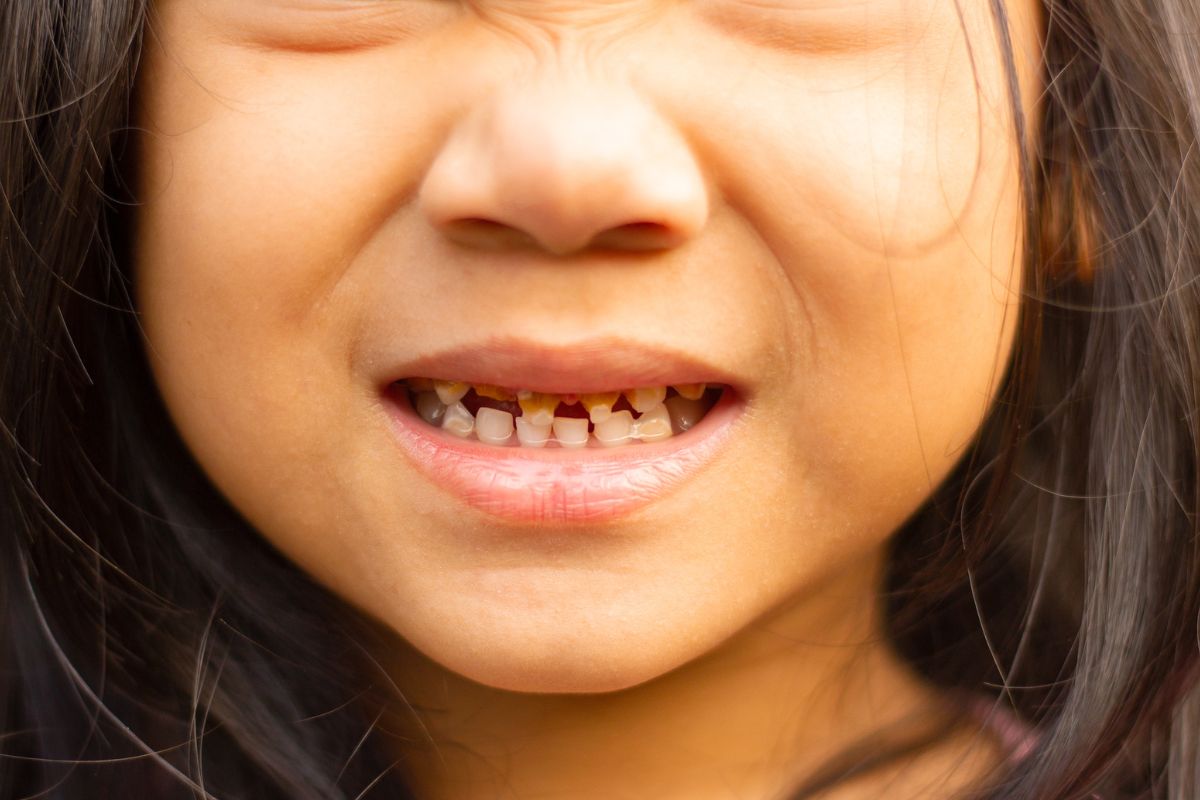
As a parent, watching your child struggle with thumb-sucking or nail-biting can be stressful. You might worry that these habits could lead to dental issues, such as misaligned teeth, or even make your child feel self-conscious in social situations. In fact, thumb-pacifying after age four can affect tooth development, leading to misaligned teeth and bite issues. Nail-biting, on the other hand, can lead to broken nails, damaged gums, and even oral infections.
These habits can also affect a child’s emotional well-being. As your child gets older, they may feel embarrassed about their digit-sucking or nail-biting, especially around their peers. It’s important to address these habits early, before they become a bigger issue and start impacting their confidence and health.
Easy Ways to Reduce Thumb-Sucking and Nail-Biting Habits
Fortunately, there are simple ways to help your child stop thumb-pacifying and nail-clipping. Here are some effective strategies that can support your child in breaking these habits:
1. Offer Comfort and Emotional Support
Both digit sucking and nail-biting often stem from anxiety or the need for comfort. Be sure to offer your child lots of positive reinforcement and emotional support. If your child sucks their thumb to fall asleep, consider offering a comforting stuffed animal or blanket as an alternative. Reducing the underlying stress or anxiety can help your child stop relying on these habits.
2. Encourage Positive Reinforcement
Instead of punishing your child for sucking their thumb or biting their nails, try praising them when they go for a certain period without doing it. Set up a reward system that lets your child earn rewards for progress, like a sticker chart. Positive reinforcement helps your child feel accomplished and motivated to break the habit.
3. Provide Distractions for Stress or Boredom
Both thumb-sucking and nail-biting can occur when your child is stressed or bored. Offer your child engaging activities to keep their hands busy, such as drawing, coloring, or playing with toys. Finding healthy ways for your child to cope with emotions will reduce the likelihood that they will adopt these habits again.
4. Use Physical Barriers: Finger Guards and Thumb Guards
Sometimes, using a physical barrier can be a great way to help your child stop these habits. Finger guards like Aero Finger Anti-Finger Sucking Guard and thumb guard gloves like Baby Stop Thumb Sucking Kids Finger Guard are designed to prevent digit-sucking by providing a physical reminder that discourages the behavior. These comfortable and soft products can be worn during the day or at night to help your child break the habit.
5. Elbow Immobilizers for Thumb-Sucking
For children who suck their thumbs at night, elbow immobilizers can be a helpful solution. These products gently prevent your child from bending their elbows, making it harder to suck their thumb while they sleep. It’s a non-invasive method that can be effective in the early stages of breaking the habit.
6. Provide Distractions with Chew Toys or Gum
If your child tends to bite their nails out of stress or boredom, giving them a chew toy or sugar-free gum can help distract them and reduce the urge to bite. This can be especially helpful when your child is at school or in social settings where they may feel anxious.
The ADA Seal of Approval: A Trusted Symbol of Quality
One of the most important factors to consider when selecting a finger or thumb guard for your child is the ADA Seal of Approval. This seal means the product has been tested for safety and effectiveness by the American Dental Association. Choosing ADA-approved oral care products ensures they meet high standards, giving you peace of mind about their quality and reliability.
The Importance of Regular Dental Checkups
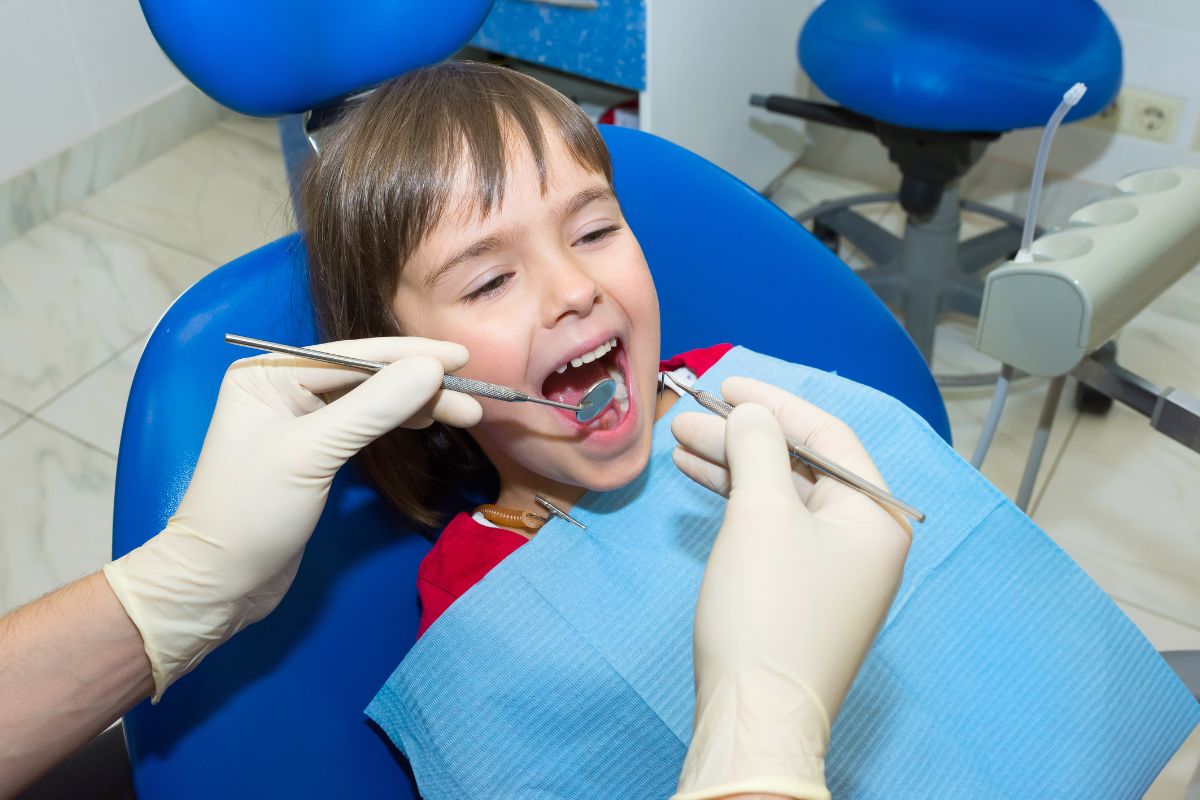
Regular oral checkups with a pediatric dentist are essential for monitoring your child’s dental development and for addressing potential issues related to thumb-sucking or nail-biting early. Dental visits are an excellent opportunity to discuss any concerns about your child’s habits and receive guidance on how to break them. During these checkups, the dentist will also provide cleaning and fluoride treatments to keep your child’s teeth healthy.
Helping Your Child Achieve a Healthy Smile
Breaking body-focused repetitive behaviors takes time, but with patience, positive reinforcement, and the right products, your child can develop healthier habits. At The Smile Lodge, our team is here to support your child’s dental health and provide personalized care. Our products, such as finger guards and thumb-sucking deterrent pens (Modelones Stop Biting Pen), can help your child break these habits. Schedule an appointment today to learn how we can help your child break these habits and maintain a healthy, beautiful smile.
FAQs
1. How can I stop my child from sucking their thumb?
Provide emotional comfort and positive reinforcement. Use thumb guards or give them a comforting toy as a substitute for thumb-sucking.
2. What should I do if my child keeps biting their nails?
Encourage distractions like chew toys, positive reinforcement, or nail-biting deterrents such as bitter nail polish or gloves.
3. Can thumb-sucking affect my child’s teeth?
Yes, prolonged thumb-sucking can cause alignment issues, such as an open bite, if not addressed by age 4.
4. When should I be concerned about my child’s nail-biting habit?
If nail-biting leads to infections, damaged nails, or causes emotional distress, it’s time to seek help from a pediatric dentist.
5. Are there products to help stop thumb-sucking or nail-biting?
Yes, thumb guards, finger guards, and elbow immobilizers can help prevent thumb-sucking. For nail-biting, you can try products like chew toys or bitter-tasting nail polish.
6. Should I schedule a dental appointment if my child is sucking their thumb or biting their nails?
Yes, regular dental checkups are essential for monitoring potential dental issues caused by these habits and for receiving advice on how to break them.