Find a Location Near You →


Is Sensitivity After a Kid’s Filling Normal? Here’s What You Need to Know
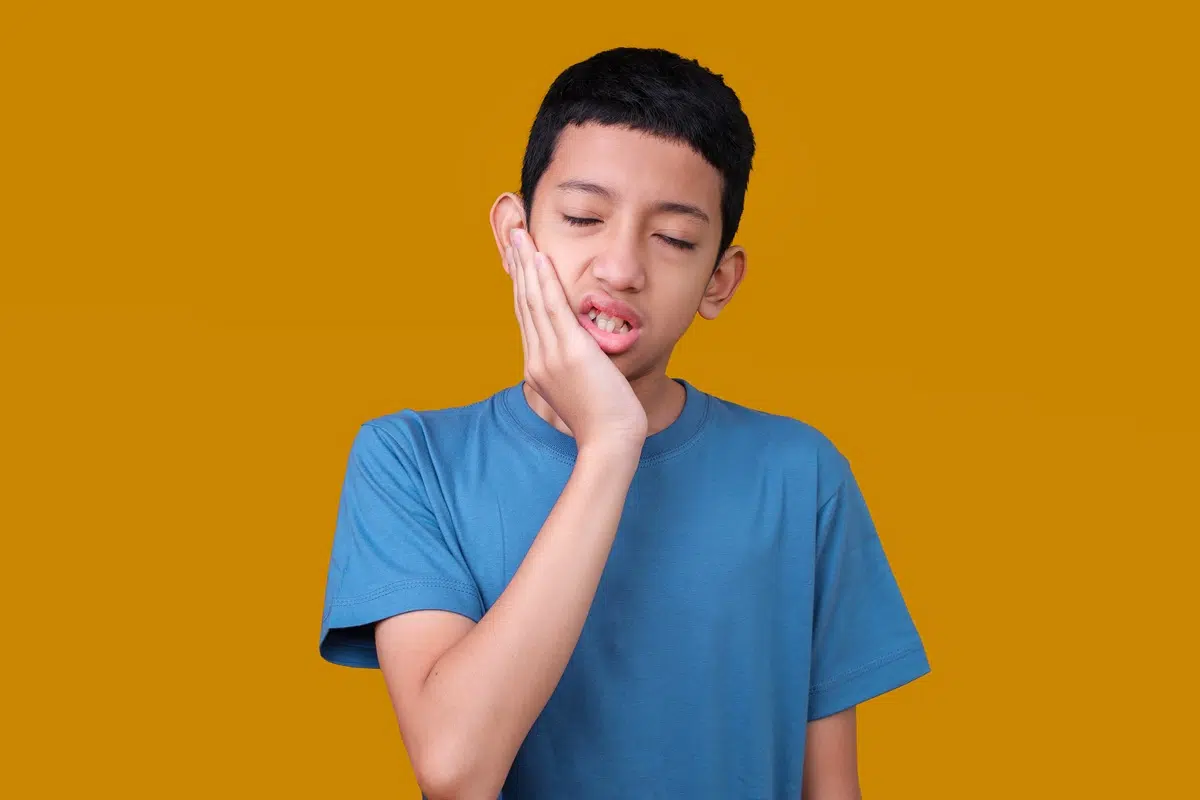
Have you noticed your child feeling sensitive after receiving a dental filling?
You’re not alone. Many children experience discomfort in the first few days or weeks after a filling procedure. This sensitivity can feel concerning, but in most cases, it’s a normal part of the healing process.
In this blog, we’ll explore why your child might experience sensitive teeth after a filling, how long it might last, and when it’s time to reach out to your dentist for further evaluation.
Why Do Kids Experience Sensitive Teeth After Fillings?
When a dental filling is placed, your dentist removes any decayed part of the tooth and then restores it with a special material. The process, although relatively simple, can cause some temporary discomfort for your child. Here are a few reasons why sensitive teeth may occur:
1. Normal Healing Process
In the days after a filling, it’s common for the tooth to feel sensitive. This sensitivity often results from minor inflammation in the tissues surrounding the tooth. Just like when you get a scrape on your skin, it might feel sore for a little while, but it will eventually heal on its own.
2. The Filling Material
Modern dental fillings, especially composite or tooth-colored fillings, can sometimes cause more initial sensitivity. These materials, although effective, can create microscopic stresses on the tooth structure as they harden, which may temporarily irritate the tooth’s nerve.
3. Deep Fillings
If your child’s cavity was deep, close to the nerve of the tooth, they might experience more pronounced sensitivity. The deeper the cavity, the more likely it is that the tooth will be temporarily more sensitive after treatment.
How Long Will the Sensitivity Last?
For most children, sensitive teeth after receiving dental fillings typically improve within a few days to a couple of weeks. The exact duration can vary depending on the depth of the cavity, the type of material used, and your child’s healing process.
For Shallow Cavities
If the cavity was shallow, the sensitivity should subside quickly, often within a few days after the procedure. Your child may only feel discomfort when eating or drinking hot or cold foods.
For Deeper Cavities
If the cavity was deeper and closer to the nerve, the sensitivity may last a bit longer, up to a few weeks. During this time, avoid overly cold or hot foods, as these can trigger discomfort.
If your child’s sensitivity doesn’t improve after a couple of weeks or gets worse, it’s important to reach out to your dentist in Clifton Park for a follow-up.
How to Manage Sensitive Teeth After Fillings?
Managing sensitive teeth after dental fillings is relatively simple, and there are a few things you can do to help your child feel more comfortable during the healing process:
1. Avoid Extreme Temperatures
Encourage your child to avoid very hot or cold foods and drinks for the first few days to reduce discomfort. Lukewarm or room-temperature foods are best during the healing period.
2. Use Desensitizing Toothpaste
There are several types of toothpaste designed specifically for sensitive teeth. You can use these to help your child feel more comfortable, as they contain compounds that block the nerve signals and reduce pain.
3. Keep Up with Oral Hygiene
It’s important to maintain good oral hygiene even if your child’s tooth is sensitive. Use a soft-bristled toothbrush and gentle brushing techniques to avoid further irritation to the sensitive area. Make sure to floss carefully around the filled tooth.
4. Pain Relief
If your child experiences discomfort, over-the-counter pain relievers such as ibuprofen or acetaminophen can help relieve pain. Always follow the dosage instructions and consult your dentist in Clifton Park if you’re unsure.
When Should You Contact Your Dentist?
If your child’s sensitive teeth persist for more than a couple of weeks or if they experience sharp pain, increased swelling, or discomfort that worsens over time, it’s important to contact your dental practitioner. This could be a sign of something more serious, such as:
- A high filling: If the filling is too high and causes pressure when your child bites down, it can cause discomfort. A quick adjustment from the dentist can fix this.
- Infection or decay: If the sensitivity is accompanied by signs of infection, like swelling or redness, there may be an underlying issue that needs to be addressed.
Early intervention ensures your child’s teeth remain healthy and complication-free.
Get the Care Your Child Needs at The Smile Lodge
At our dental practice, we are committed to ensuring your child’s dental health and comfort. If you’re concerned about sensitive teeth after a dental filling, don’t hesitate to reach out. Dr. McDonnell and our compassionate team are here to provide gentle, thorough care. Contact our dental office in Clifton Park today to schedule an appointment, and let us help your child get back to enjoying life without discomfort.
FAQs
1. Is It Normal For My Child’s Tooth To Be Sensitive After A Filling?
Yes, it’s common for children to experience some sensitivity after a dental filling. This usually subsides within a few days to weeks as the tooth heals.
2. How Can I Ease My Child’s Discomfort After A Filling?
Using desensitizing toothpaste, avoiding extreme temperatures in food and drinks, and following good oral hygiene practices can help ease discomfort.
3. How Long Does It Take For The Sensitivity To Go Away?
For most children, sensitive teeth improve within a few days to a couple of weeks. If sensitivity persists or worsens, it’s time to contact your dentist.
4. Can I Give My Child Pain Relief For Sensitive Teeth?
Yes, over-the-counter pain relievers can help with sensitive teeth. Follow the dosage instructions and consult your dentist if needed.
5. When should I contact the dentist for sensitive teeth after a filling?
If the sensitivity persists for more than 2 weeks or if your child experiences severe discomfort, it’s best to contact your dentist for an evaluation.