Find a Location Near You →


When Does a Child Need a Dental Crown?
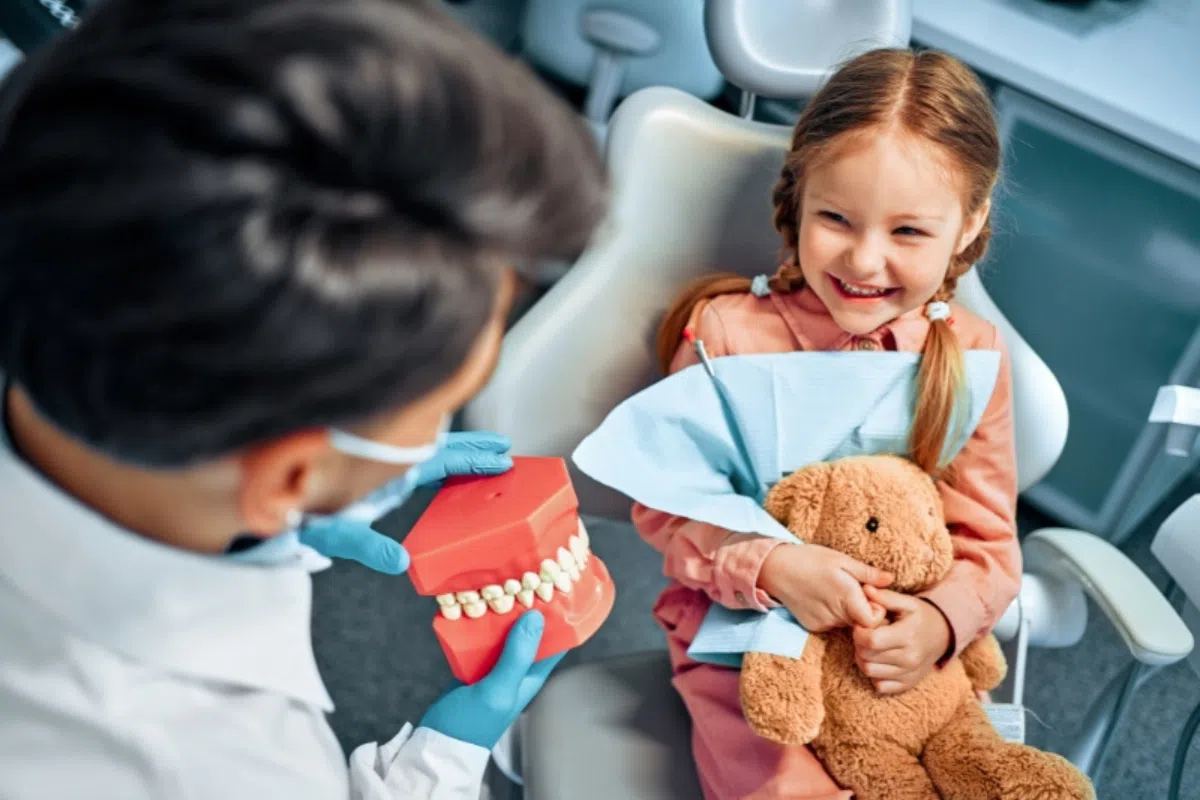
When a pediatric dentist recommends a dental crown for your child, it’s completely natural to feel surprised, or even a little alarmed. After all, crowns might seem like something reserved for adults with serious dental problems. But the truth is, dental crowns are one of the most common and reliable restorative treatments in pediatric dentistry, and they play a critical role in keeping children’s smiles healthy and functional.
At The Smile Lodge, we restore children’s smiles every day using gentle fillings and crowns, giving damaged or decayed teeth a second chance. Here’s a straightforward guide for parents in Saratoga and East Rensselaer County who want to understand exactly when a crown is needed, what the process involves, and why acting early is always the best move for your child’s long-term oral health.
Why Would a Child Ever Need a Crown — Aren’t Baby Teeth Temporary?
This is one of the most common questions parents ask — and it’s a fair one. The answer comes down to how important baby teeth actually are.
Primary teeth aren’t simply placeholders. They guide permanent teeth into their correct positions, support proper chewing and nutrition, aid in speech development, and help shape the jawbone as it grows. When a baby tooth is lost too early — due to severe decay or infection — neighboring teeth can drift into the empty space, blocking or crowding the incoming permanent tooth. This can lead to alignment problems and more involved orthodontic treatment down the road.
A dental crown allows a badly damaged baby tooth to stay in the mouth, functional and protected, until it’s naturally ready to fall out. Saving the tooth is almost always preferable to losing it ahead of schedule.
The Top Reasons a Child May Need a Dental Crown
1. Severe Tooth Decay That Can’t Be Treated With a Filling
The most common reason children need crowns is tooth decay that has gone beyond what a filling can fix. Small to moderate cavities are typically treated with a standard filling, relatively simple procedure that restores the tooth quickly. But when decay becomes extensive and spreading across multiple surfaces of the tooth or reaching deep into the tooth structure then filling may not be enough.
Baby teeth have thinner enamel than permanent teeth, which means decay can spread faster and deeper. Once a cavity has compromised enough of the tooth structure, a filling could actually cause the weakened tooth to crack or break under the pressure of chewing. A crown solves this by covering the entire tooth and reinforcing it completely.
At The Smile Lodge, small cavities are filled with durable, natural-looking materials, while a crown steps in when more significant restoration is required to protect the tooth’s structure and function.
2. After Pulp Therapy (Baby Root Canal)
When tooth decay is left untreated long enough, it can work its way through the enamel and into the innermost layer of the tooth — the pulp. The pulp is the soft tissue at the center of the tooth that contains nerves, blood vessels, and connective tissue. Once bacteria reach the pulp, it causes pain, infection, and, if left untreated, can spread to surrounding teeth and tissue.
In children, this situation is treated with pulp therapy, a procedure similar to a root canal in adults but adapted for young patients. Pulp therapy involves carefully removing the diseased pulp tissue while preserving as much of the healthy tooth structure as possible. The tooth is then cleaned and filled with a therapeutic material to stop bacterial growth and prevent reinfection.
Because pulp therapy significantly alters the internal structure of the tooth, a crown is almost always placed afterward to cap and protect the treated tooth. Without a crown, the weakened tooth would be far more vulnerable to fracture or breakdown. A crown gives it the structural support it needs to survive until it naturally falls out.
3. A Cracked, Fractured, or Broken Tooth
Kids are active and dental injuries can happen anytime. Whether it’s a fall on the playground, a collision during a sports game, or an accidental bite on something too hard, teeth can crack, chip, or fracture. Depending on the severity of the fracture, a crown may be the best way to restore the tooth.
Minor enamel chips might be addressed with bonding or sealant, but when a fracture is more significant, particularly when it threatens the structural integrity of the tooth or involves the nerve — a crown provides full coverage protection that bonding alone cannot offer.
The Smile Lodge offers prompt emergency dental care for children and handles everything from minor chips to more significant tooth injuries, restoring the tooth in a way that protects it going forward.
4. A Tooth With Developmental Defects
Some children are born with teeth that didn’t develop quite as they should. Conditions like enamel hypoplasia (where the enamel doesn’t fully form) or dentinogenesis imperfecta (a genetic condition affecting the dentin layer beneath the enamel) can leave teeth structurally weaker than normal, more prone to decay, and more sensitive to temperature and pressure.
Because these teeth lack the natural protection that healthy enamel provides, they often need the additional reinforcement that a crown offers — even if they haven’t been damaged by cavities. A crown essentially replaces the missing or defective protective layer, giving the tooth what nature didn’t fully provide.
5. A Tooth That Has Had Multiple Fillings
A tooth that has needed repeated fillings over time has progressively less of its original structure left. Each filling procedure removes some enamel to clear out decay, and over time, the tooth becomes weaker with each round of treatment. At some point, there simply isn’t enough healthy tooth structure remaining to support another filling effectively.
In these situations, a crown is the more durable, more reliable option. It covers what remains of the natural tooth and protects it from further breakdown, giving the tooth the best possible chance of lasting until it falls out naturally.
What Types of Crowns Are Used for Children?
Pediatric crowns come in a few different materials, each with its own strengths:
Stainless Steel Crowns The most widely used type of pediatric crown, stainless steel crowns are pre-made caps that are fitted and cemented over the tooth during a single appointment. They are extremely durable, long-lasting, and cost-effective. Because they are made of metal, they are most commonly used on back molars where they aren’t as visible. Stainless steel crowns have been used successfully in pediatric dentistry for over 50 years and are recommended by the American Academy of Pediatric Dentistry for extensively decayed primary teeth.
Tooth-Colored (Zirconia) Crowns For parents who prefer a more natural look — particularly for front teeth — zirconia crowns are a strong, tooth-colored alternative. These crowns are made from a durable ceramic material that closely matches the appearance of natural teeth, making them virtually invisible in your child’s smile. They are an excellent option when a crown is needed on a tooth that’s more visible when your child speaks or smiles.
Your pediatric dentist will recommend the most appropriate type of crown based on which tooth is being treated, the extent of the damage, and your child’s individual needs. At The Smile Lodge, our team uses materials and methods designed specifically for growing smiles.
What Does the Crown Placement Process Look Like?
The idea of getting a crown can seem intimidating — especially for younger children. But in the hands of an experienced pediatric dental team, the process is straightforward and designed to keep kids comfortable every step of the way.
Here’s a general overview of what to expect:
Step 1 — Examination and X-Rays: Your dentist will thoroughly examine the tooth and take X-rays to assess the extent of the decay or damage and determine the appropriate treatment plan.
Step 2 — Numbing: Local anesthesia is used to completely numb the area around the tooth so your child doesn’t feel any discomfort during the procedure. For children who are anxious or require more extensive treatment, The Smile Lodge also offers sedation options to ensure a calm, comfortable experience.
Step 3 — Preparing the Tooth: Any decay is removed, and the tooth is shaped to allow the crown to fit over it properly.
Step 4 — Pulp Therapy (if needed): If the decay has reached the pulp, pulp therapy is performed before the crown is placed.
Step 5 — Fitting the Crown: The pre-made crown is selected for the right fit, adjusted as needed, and then cemented into place over the prepared tooth.
Step 6 — Final Check: Your dentist will check your child’s bite and make any final adjustments to ensure the crown fits comfortably and functions naturally.
In most cases, the entire procedure is completed in a single visit. Your child can return to normal activities the same day.
What to Expect After the Crown Is Placed
Once the crown is in place, most children adjust to it very quickly. Here are a few things to keep in mind:
- Mild sensitivity to temperature or pressure is normal for a day or two after placement and should resolve on its own.
- Encourage soft foods for the first day or so while your child gets used to the crown.
- Avoid hard, sticky, or chewy foods like hard candies, caramel, or gum, as these can dislodge or damage the crown over time.
- Regular brushing and flossing should continue as normal — good oral hygiene helps the crowned tooth and surrounding teeth stay healthy.
- Keep up with routine dental checkups so your dentist can monitor the crown and ensure it remains in good condition.
If a crown ever becomes loose or comes off, The Smile Lodge offers quick repairs to restore functionality and protect the tooth. As noted on our website, “lost fillings or crowns leave teeth vulnerable to damage or decay,” so it’s important to address any issues promptly rather than waiting.
Restore Your Child’s Smile at The Smile Lodge
A dental crown isn’t something to worry about — it’s one of the most effective tools we have for giving a damaged or decayed tooth a second chance. With the right care, a crowned tooth can remain healthy, functional, and comfortable right up until the day it naturally falls out.
At The Smile Lodge, we specialize in restoring children’s smiles with gentle, compassionate care at our two convenient locations in Clifton Park, NY and East Greenbush, NY. Our kid-friendly environment is designed to make every visit a positive experience, and our experienced team is always here to answer your questions and guide you through every step of your child’s treatment.
Book an appointment online or call us today because your child’s smile is worth protecting.
Related Articles